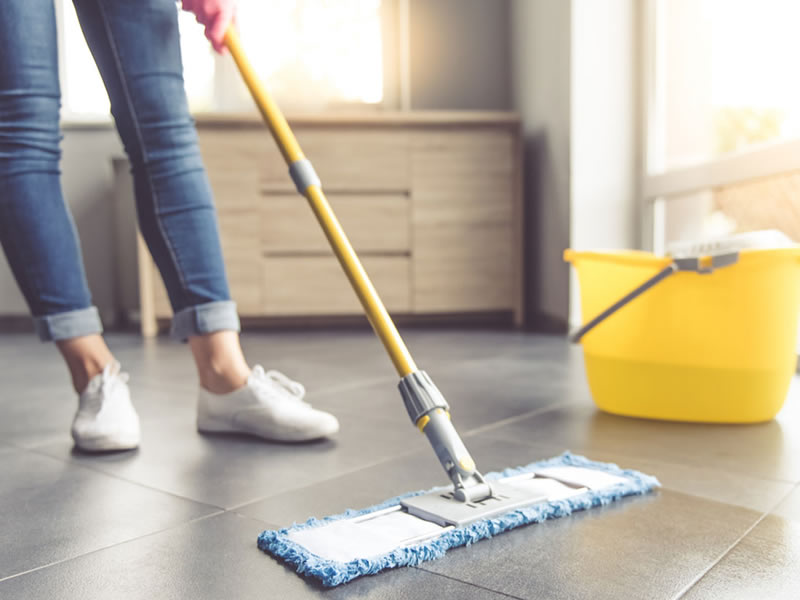
Debunking Common Home Cleaning Myths
In our pursuit of a spotless home, we often encounter a plethora of cleaning advice, some of which may be misleading or counterproductive. Misconceptions about cleaning practices can not only waste time and resources but also potentially harm our health and household surfaces. In this guide, we aim to debunk prevalent home cleaning myths, providing you with accurate information to maintain a clean and healthy living environment effectively.
Myth 1: More Cleaning Products Lead to Better Results
It’s a common belief that using a larger quantity or variety of cleaning products will yield superior cleanliness. However, overusing cleaning agents can result in residue buildup, attracting more dirt and potentially damaging surfaces. For instance, excessive detergent in laundry can leave clothes feeling stiff and may cause skin irritation. Similarly, overapplication of floor cleaners can make surfaces slippery or dull. It’s essential to adhere to the recommended amounts and choose products appropriate for each task to ensure optimal results without adverse effects.
Myth 2: Bleach Is an All-Purpose Cleaner
While bleach is a powerful disinfectant, it’s not effective for removing dirt and grime. Bleach sanitizes surfaces by killing bacteria and viruses but doesn’t clean organic matter. Using bleach on porous surfaces like wood can cause discoloration and damage. For effective cleaning, first remove dirt with a suitable cleaner, then disinfect if necessary. Always ensure proper ventilation when using bleach and never mix it with other cleaning agents, especially ammonia, as this can produce toxic fumes.
Myth 3: Vinegar Is a Universal Cleaning Solution
Vinegar is often touted as a natural cleaner suitable for all surfaces. However, its acidity can damage materials such as natural stone countertops, waxed surfaces, and certain hardwood floors. Using vinegar on these surfaces can lead to etching, dullness, or degradation of protective coatings. It’s crucial to identify the appropriate cleaning agents for specific materials to prevent unintended damage.
Myth 4: Feather Dusters Effectively Remove Dust
Feather dusters often disperse dust into the air rather than capturing it, leading to resettlement on surfaces. Microfiber cloths are a superior alternative, as their electrostatic properties attract and hold dust particles. Regular use of microfiber cloths not only removes dust efficiently but also reduces allergens, contributing to improved indoor air quality.
Myth 5: Cleaning Carpets Frequently Causes Wear
Some believe that regular carpet cleaning can degrade fibers and shorten the carpet’s lifespan. In reality, consistent cleaning, including vacuuming and periodic professional deep cleaning, removes dirt and debris that can break down fibers over time. Maintaining a regular cleaning schedule preserves the carpet’s appearance and extends its durability.
Myth 6: All Natural Cleaning Agents Are Safe for Every Surface
Natural cleaning agents like lemon juice and baking soda are popular for their eco-friendly properties. However, their misuse can lead to surface damage. For example, lemon juice’s acidity can harm marble and granite, while baking soda’s abrasiveness may scratch delicate surfaces. It’s important to research and test natural cleaners on inconspicuous areas before widespread application.
Myth 7: Air Fresheners Clean the Air
Air fresheners may mask unpleasant odors but don’t address the underlying sources. Additionally, they can introduce volatile organic compounds (VOCs) into the indoor environment, potentially affecting air quality. To truly freshen indoor air, identify and eliminate odor sources, ensure proper ventilation, and consider using air purifiers.
Myth 8: Polishing Furniture Should Be Done Frequently
Regular polishing of wooden furniture is often thought to maintain its luster. However, excessive polishing can lead to a buildup of residue, attracting more dust and creating a dull appearance. It’s advisable to dust furniture regularly with a soft cloth and polish sparingly, following the manufacturer’s recommendations.
Myth 9: Dishwashers Clean Themselves
Despite being a cleaning appliance, dishwashers require regular maintenance to function optimally. Food particles and soap scum can accumulate, leading to odors and reduced efficiency. Periodic cleaning of the dishwasher’s filter, seals, and interior surfaces ensures it remains hygienic and performs effectively.
Myth 10: Windows Are Best Cleaned with Newspaper
Cleaning windows with newspaper was once a common practice, but modern inks and paper can leave streaks and lint. Utilizing microfiber cloths or squeegees with appropriate glass cleaners provides a clearer, streak-free result without the risk of ink transfer.
Myth 11: More Scrubbing Equals Better Cleaning
Vigorous scrubbing is often assumed to enhance cleanliness. However, excessive force can damage surfaces, removing protective coatings or causing scratches. Using the correct cleaning agent allows for effective dirt removal with minimal physical effort, preserving the integrity of the surface being cleaned.
Myth 12: All Germs Must Be Eliminated for a Clean Home
The pursuit of a germ-free home can lead to overuse of disinfectants, which may contribute to health issues and environmental concerns. Not all bacteria are harmful; some play beneficial roles in our environment. Focusing on regular cleaning to remove dirt and practicing good hygiene is typically sufficient for a healthy home, reserving disinfectants for high-touch or high-risk areas.
Myth 13: Professional Cleaning Services Are Unaffordable
Many assume that hiring professional cleaners is a luxury beyond their means. However, professional cleaning services offer a range of packages and frequencies to suit different budgets. Investing in professional cleaning can save time, provide expertise, and ensure a thorough job, potentially preventing costly damages from improper cleaning methods.
Myth 14: Cleaning Products Are Interchangeable Across Surfaces
Using a single cleaning product for all surfaces might seem convenient, but it can lead to damage. For example, glass cleaners containing ammonia can harm wood finishes, and abrasive cleaners can scratch stainless steel. It’s essential to use products specifically formulated for each surface to maintain their condition